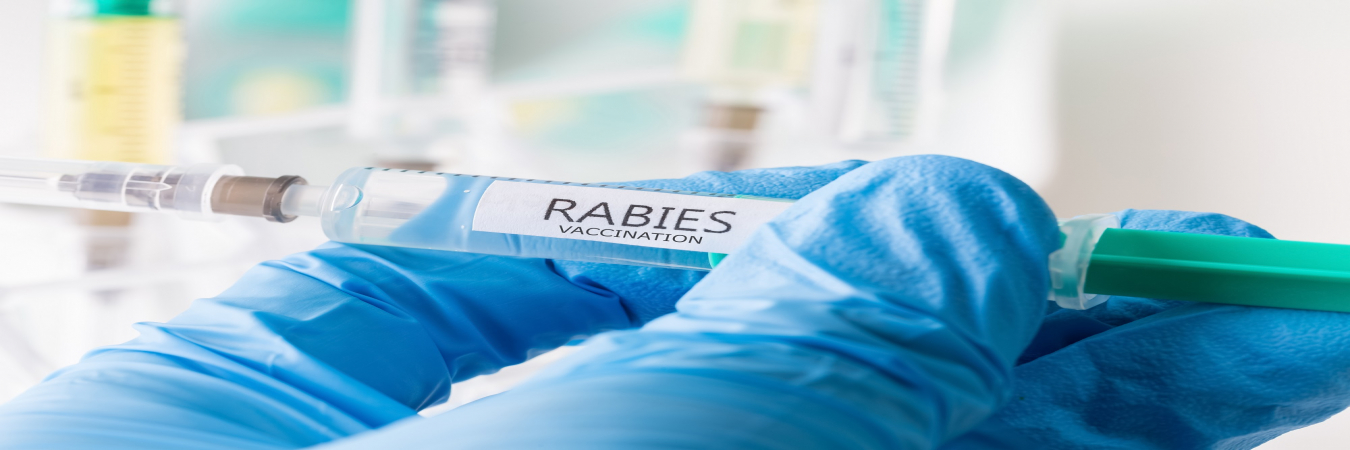
Recall the first aid measures specific to survivors of sexual violence.
Explain the significance of informed consent and its role in survivor-centred care.
Apply trauma-informed communication techniques when obtaining history from survivors.
Choose the most appropriate evidence collection methods based on the survivor's history and the circumstances of the assault.
Perform a complete head-to-toe medical examination for survivors of sexual violence, ensuring systematic assessment, proper documentation, and adherence to legal, ethical, and forensic standards.
Formulate provisional and final clinical opinions by synthesising the survivor's history, clinical findings, and forensic evidence collected during the medical examination.
This course is designed to improve your:
knowledge, competence, performance
Advanced practice nursing, Ambulatory nursing care, Cardiology, Clinical dentistry, Clinical psychology, Cultural competency, Death, grief and suicidology, Dental practice management, Dermatology, Emergency medicine, Endocrinology, Gastroenterology, General medicine, General surgery, Gynecology, Hematology, Immunology, Implantology, Infectious disease, Laboratory medicine and pathology, Nephrology, Neurology, Neuropsychology, Obstetrics/gynecology, Oncology, Ophthalmology, Orthopaedics, Otorhinolaryngology/ ENT, Pediatrics, Pharmacology, Physical therapy and rehabilitative medicine, Primary care, Psychiatry, Psychology, Psychotherapy, Pulmonology, Radiology, Restorative dentistry, Rheumatology, School nursing, Supervision, Trauma, Wound car
Advanced practice nurse, Allergist, Anaesthesia technician, Anesthesist, Audiologist, Cardiologist, Cardiology technician, Cardiothoracic surgeon, Chiropractor, Clinical social worker, Dental hygienist, Dental mechanic, Dental surgeon, Dental technologist, Dentist, Dialysis technician, Dietitian, Discharge planner, ECG technician, Emergency care technician, Emergency physician, Endocrinologist, Endodontist, Epidemiologist, Faculty/Educator, Family physician, Forensic Pathologist, Gastroenterologist, General dentist, General surgeon, Gynecologist, Health and malaria inspector, Health care administrator, Hematologist, Hospital case manager, Immunologist, Industry, Infectiologist, Intensive care physician, Intern/Resident, Laboratory Technician, Librarian, Medical coder, Medical specialist, Medical transcript technician, Microbiologist, Midwife, Nephrologist, Neurologist, Neuropsychologist, Neurosurgeon, Nurse, Nurse auxiliary, Obstetrician, Occupational therapist, Office manager, Oncologist, Operation theatre technician, Ophtalmic technician, Optometrist, Oral Surgeon, Orthodontist, Orthopedic surgeon, Pastoral counsel, Pathologist, Pediatric dentist, Pediatric surgeon, Perfusion technologist , Pharmacist, Physical therapist, Physician, Physician assistant, Physiotherapist, Plastic surgeon, Psychiatrist, Psychologist, Radiographer, Radiologist, Radiology Technologist, Rehabilitation therapist, Researcher, Rheumatologist, Specialist in aerospace medicine, Specialist in cardiothoracic and vascular surgery, Specialist in critical care medicine, Specialist in dermatology, Specialist in ear nose throat, Specialist in emergency medicine, Specialist in infectious diseases, Specialist in internal medicine, Specialist in maxillofacial surgery, Specialist in neonatology, Specialist in obstetrics and gynecology, Specialist in ophthalmology, Specialist in pediatrics, Specialist in podiatry, Specialist in pulmonology, Speech therapist, Student, Surgeon, Surgical oncologist, Technologist, TEst, testing, Transplant surgeon, Trauma surgeons, Ultrasonographer, Urologist, Vascular and endovascular surgeon, X-Ray Technician
Accreditation
| Category |
Accreditor |
Credits |
Accreditation details |
|
Dental surgeon, Dentist, Endodontist, General dentist, Oral ...Read More
|
European Board for Accreditation of Continuing Education for Health Professionals |
1 CE Credit |
This activity has been accredited by the European Board for Accreditation of Continuing Education for Health Professionals (EBAC®️) for 01:00 hour of effective education time. EBAC®️ holds an agreement on mutual recognition of substantive equivalency with the US Accreditation Council for CME (ACCME) and the Royal College of Physicians and Surgeons of Canada, respectively. Through an agreement between the European Board for Accreditation of Continuing Education for Health Professionals (EBAC®️) and the American Medical Association, physicians may convert EBAC®️ External CME credits to AMA PRA Category 1 Credits™️. Information on the process to convert EBAC®️ credit to AMA credit can be found on the AMA website. Other health care professionals may obtain from the AMA a certificate of having participated in an activity eligible for conversion of credit to AMA PRA Category 1 Credit™️. Through an agreement between the Royal College of Physicians and Surgeons of Canada and the European Board for Accreditation of Continuing Education for Health Professionals, Royal College MOC Section 1 credits are deemed to be substantively equivalent to EBAC CPD credits. EBAC®️ is a member of the International Academy for CPD Accreditation (IACPDA), the World Federation for Medical Education (WFME) CPD Recognition Committee, and a partner member of the International Association of Medical Regulatory Authorities (IAMRA).
|
ACCRECENT requires all individuals in control of educational content to disclose all relevant financial and non-financial interests, preferably from the time of graduation and mandatorily covering the past 3 years, as well as any relevant arrangements already made for the next 12 months. All declarations from planners, editorial staff, authors, and peer reviewers have been reviewed and, where necessary, appropriately managed in accordance with EBAC requirements for independence, scientific integrity, and transparency.
Emma Van Hoecke, the founder of ACCRECENT, has no relevant financial relationships to disclose. All other team members of ACCRECENT involved in the development or review of this content have no relevant financial relationships to disclose.
The financial disclosure status of all authors and peer reviewers is provided in the "Authors & Peer Reviewers" section of this activity.



 Duration:
01:00 hour
/
Duration:
01:00 hour
/
 Fee:
FREE
Fee:
FREE


 Comments (0)

 Share
Share
 Email
Email
 0
0