Home > About Us
Story so far
Transforming Access to Medical Education

Our journey : The timeline
From a simple vision in 2015 to a growing digital learning platform, CMEPEDIA continues to make medical education accessible, affordable, and bias-free for healthcare professionals across India.
2015
The concept of CMEPEDIA was announced at the Regional Congress of the Word Psychiatric Association (WPA) in Cochin in September 2015, at the first International Forum on Quality and Safety in Healthcare Asia in Hong Kong in September 2015, and at the Fifth International Patient Safety Congress in Bengaluru in October 2015.
2016
CMEPEDIA launched a static internet site to announce this concept in November 2016. From October 2016 onwards, Emma started collaborating with Briskon Technologies to design this project.
2018
In February 2018, CC Avenue agreed to become CMEPEDIA's payment gateway. From 2018 to 2023, all resources were directed to develop a unique platform where all stakeholders can collaborate seamlessly. The platform was made accessible to dentists and nurses. A webinar flow was added to ensure the reliable certification of all participants.
2023
In 2023, many international content providers were invited to host their content on our website. We noticed hesitancy as it required a change in their business model for most, as we sell per module, not per subscription. To demonstrate that a selling per module fits the Indian market, Emma Van Hoecke founded ACCRECENT to venture into producing CE content in India.
2024
In 2024, we focused on developing our website, hired our IT developers directly, and produced our first modules via ACCRECENT.
2026
In 2026, through ACCRECENT, our first course was accredited by the European Board for Accreditation of Continuing Education for Health Professionals EBAC® . We are now applying to become an EBAC® Accredited Provider and working towards course accreditation with State Medical Councils across India.
Meet our team
A passionate team dedicated to making quality medical education accessible, affordable, and impactful for healthcare professionals across India.

Emma Van Hoecke
Emma Van Hoecke is the founder of CMEPEDIA"Doing good is just not good enough. It needs to be done better."
Emma is a consultant psychiatrist with over 25 years of clinical experience in five different countries across 3 continents. She was trained at NIMHANS hospital, Bangalore, in 1999 and has lived in India since 2012. She practices psychiatry in the Netherlands. She learned to appreciate accredited CME in the Netherlands and noticed a gap in this provision in India. She dedicated most of her free time in the past 10 years to the development of CMEPEDIA and ACCRECENT. She funded these projects with the profit of her private practice.

Ruman Mustak
COO"What is now proved was once only imagined."
Ruman, with over 7 years of experience in educational technology and healthcare, feels perfectly at home with CMEPEDIA and Accrecent—organisations driven by a social vision. A proud list-maker and planner, she thrives on streamlining processes while fostering a supportive and motivated team environment. She is dedicated to creating an impact in healthcare education while ensuring the journey is as rewarding as the destination.

Sudhir Vadodariya
Software developer"Building software is not just about code. It’s about crafting experiences, solving problems, and driving innovation."
Sudhir is a passionate software developer with a knack for turning complex problems into simple, efficient solutions. Known for his attention to detail and continuous drive for learning, he consistently delivers innovative and reliable solutions. The opportunity to contribute to healthcare is not just a career choice for him; it is a commitment to using his skills for the greater good. Every line of code he writes, every feature he builds, and every problem he solves has the potential to improve outcomes and create healthier communities.
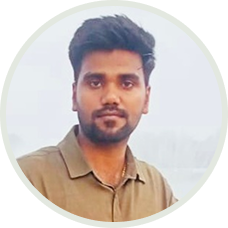
Ram Prakash
Software developer"The only way to create impactful solutions is to be passionate about the process."
Ram Prakash is a skilled software developer who blends technical expertise with a passion for innovation. Known for solving complex challenges and streamlining workflows, he thrives in fostering collaboration to drive impactful projects. With a strong commitment to creating meaningful solutions, Ram is particularly focused on leveraging technology to make a difference in fields such as education, healthcare, and beyond. His work is driven by a desire to empower and inspire through technology.
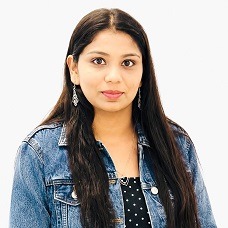
Vemireddy Nikhila
CE technical implementation manager“Progress is built on the courage to turn ideas into action.”
Nikhila Vemireddy is a dentist with 5 years of clinical experience and a UK-based public health professional involved in healthcare delivery and evidence-based content development. At CMEPEDIA, she develops structured educational materials and writes evidence-based medical blogs that translate scientific literature into practical clinical insights.

Ruchi Sanjay
Marketing manager“The present moment is the only moment available to us, and it is the door to all moments.”
What started with coding slowly turned into a passion for creativity and storytelling. I have completed my Bachelor of Engineering in Computer Science and started my career as a Java developer. Over time, I discovered my passion for creativity, storytelling, and communication, which inspired me to transition into digital marketing and content strategy. Today, I work in content marketing, SEO, and brand communication, combining technical understanding with creative thinking to create meaningful and engaging content.
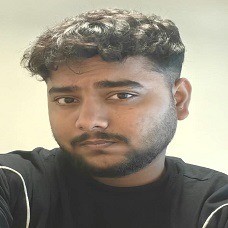
Abhik Halder
Operations coordinator“The magic you’re looking for is in the work you’re avoiding.”
Hey, I'm Abhik born and raised in Delhi, and honestly, this city taught me everything I know about figuring things out on my own. I've spent five years working behind the scenes for founders and executives, handling everything from scheduling and communications to automation and operations. Outside of work? I'm either watching an Anime or revisiting a Hollywood classic, or somewhere in between with Arijit Singh on repeat, music is genuinely how I reset, refocus, and get back to work.
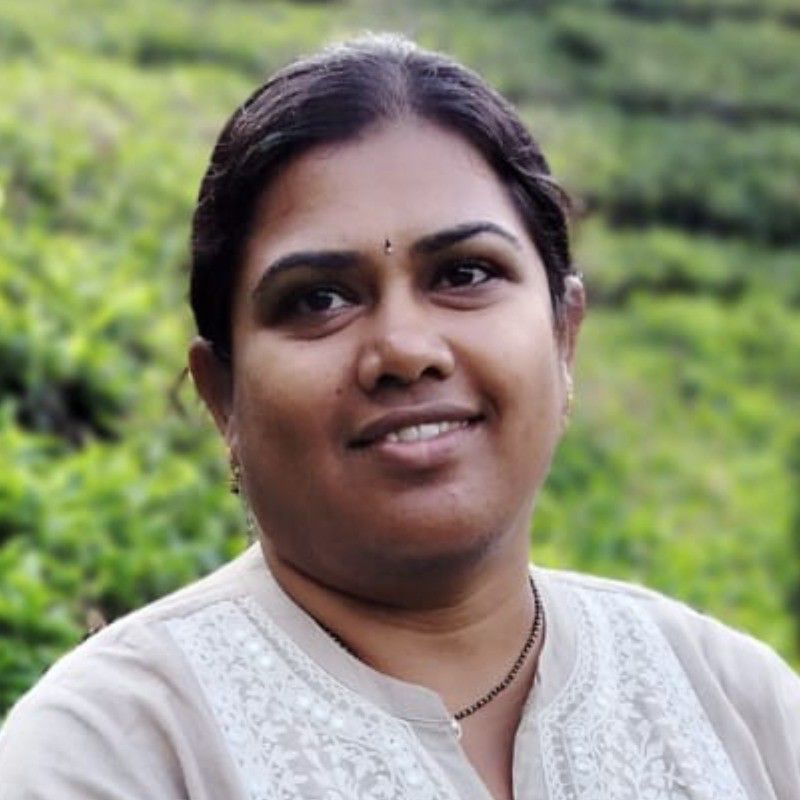
Shalini Kalluri
Course production manager"Great things are never done by one person; they're done by a team."
Shalini brings over a decade of experience in operations, customer success, and program management, with a passion for building efficient processes and enabling teams to perform at their best. She enjoys managing complex projects, strengthening collaborations, and finding practical solutions that improve organizational experiences. She believes that meaningful impact is achieved through dedication, teamwork, and a commitment to continuous improvement.
 Our Mission
Our mission at CMEPEDIA is to streamline the redistribution of healthcare education, enabling healthcare professionals to enhance their expertise seamlessly alongside their clinical responsibilities. By offering a diverse array of quality-controlled and accredited educational modules, we empower these professionals to remain updated and excel within their respective fields.
Through democratizing education and harnessing technology's power, we are unwaveringly committed to bridging the gap between developed and developing nations. We aim to ensure that every healthcare professional has the opportunity to thrive and make meaningful contributions toward elevating global healthcare standards.
Furthermore, CMEPEDIA is dedicated to simplifying the re-licensing process for healthcare professionals. Our mission is to establish a streamlined, paperless re-registration procedure and facilitate collaboration between Indian professional bodies and their international counterparts, enhancing the efficiency of the continuous education standards.
By uniting technology, collaboration, and an unwavering focus on sustainability, we are orchestrating a transformative shift in the landscape of medical education. Through these efforts, we equip healthcare professionals to achieve excellence within their careers, ultimately advancing the betterment of global healthcare.
 Our Vision
CMEPEDIA envisions seamless access to accredited learning, uniting healthcare professionals, content providers, and accrediting bodies worldwide. We aspire to be the pivotal force propelling equitable education, fostering collaboration, and raising healthcare standards globally.
Purpose
CMEPEDIA redistributes quality-controlled educational healthcare modules for free or at affordable rates. Content providers can expand their area of distribution globally without the need to invest in local agencies. Healthcare professionals can purchase these low-cost modules and avoid expensive subscriptions, enabling them to develop a portfolio similar to their colleagues in developed countries and assert that their skills are up-to-date. Professional bodies can rely on a standardised procedure of endorsements and do not need to invest in the development of software to verify the registration requirements of their members.
CMEPEDIA has been launched in India, but its methods can be extrapolated to any other country.
The terms for global business will determine whether users will be able to purchase modules readily via CMEPEDIA. CMEPEDIA aims for a worldwide rollout after its incubation in India. However, as we maintain a variable pricing policy by country, the initial requirement is to be registered as a healthcare professional in India before you can register as a premium user
The Indian payment gateway selected has the broadest global outreach of all gateways. Do not hesitate to express your interest if you would like to avail of our services in your country. Our IT infrastructure is robust, and we love to spread our wings.
WHO estimates a global shortage of about 14.7 million health workers (2023), with the shortfall projected to be around 11.1 million by 2030. The deficit is increasingly concentrated in the WHO African and Eastern Mediterranean Regions, with persistent gaps in South-East Asia, making it vital for clinicians in these settings to optimise limited clinical time while maintaining quality of care
Reference: Accessed on 30 December 2024 https://apps.who.int/gb/ebwha/pdf_files/EB156/B156_15-en.pdf
CMEPEDIA has been launched in India, but its methods can be extrapolated to other countries.
The terms for global business will determine whether users will be able to purchase modules readily via CMEPEDIA. CMEPEDIA aims to roll out worldwide after its incubation in India. However, as we maintain a variable pricing policy by country, the initial requirement is to be registered as a healthcare professional in India before you can register as a premium user.
The Indian payment gateway selected has the broadest global outreach of all gateways. Do not hesitate to express your interest if you want to avail of our services in your country. Our IT infrastructure is robust, and we love to spread our wings.
The roadmap outlines key initiatives to expand CMEPEDIA's reach, enhance content quality, and foster collaborations. Starting from website development and obtaining accreditation for physicians, dentists and nurses, it progresses through building a strong author base, partnering with regulatory bodies, expanding user engagement, and scaling internationally. The roadmap prioritises accreditation across healthcare professions, content partnerships, and alignment with regulatory standards.
Progress roadmap
| Phase 1 | Website & software development | Completed |
| Phase 2 | EBAC accreditation for physicians and other healthcare professionals. | In progress |
| Building up the base of authors & peer reviewers. | In progress | |
| Phase 3 | Signing up with Indian regulatory bodies | |
| Building a user base | ||
| Reaching out to institutions/employers & sponsors | ||
| Launch CMEPEDIA & Accrecent internationally. | ||
| Phase 4 | Reinvite international content providers for the redistribution of accredited | |
| Registration at live CE events | ||
| Phase 5 | Synchronisation with CPD requirements of NMC | |
| Supporting the government to set up an independent accrediting body, the aim is to obtain substantial equivalence status with international accrediting bodies |
Transforming continuing medical education in developing countries
CMEPEDIA & ACCRECENT – 5-year strategic roadmap (2026–2031)
Advancing evidence-based education, national collaboration, regulatory alignment, and equitable access.
Year 1–2
Standardisation & quality
Building a strong foundation for high-quality CME, CNE & CDE.
Content format
From WhatsApp quizzes and live-only webinars to structured asynchronous, text-based accredited modules complemented by recorded webinars.
Quality assurance
Introduce formal peer review and accredited quality control processes.
Faculty model
Independent practitioners without conflicts of interest related to the educational topic.
Referencing
Evidence-based educational modules supported by structured references.
Collaboration
Cross-institutional collaboration with authors and peer reviewers from different institutions.
Access
National and cross-institutional redistribution of educational content.
Milestone
All new modules peer reviewed, referenced and accredited.
Year 2–3
Institutional bridging & redistribution
Expanding collaboration and equitable access to education.
Institutional collaboration
From institution-specific CME/CNE/CDE to cross-institution authorship and peer review.
Content access
Expand from limited institutional distribution to national redistribution across institutions.
Funding & topics
Expand beyond commercially driven topics through collaboration with government bodies and mission-aligned sponsorship.
Tailoring to context
Adapt existing educational modules to the healthcare context, guidelines and regulatory requirements of India, with a model that can be replicated for other countries.
Coverage
Increase coverage of underserved and non-commercial healthcare priorities.
Milestone
Multi-institution author–reviewer collaboration model operational.
Year 3–4
Regulatory & financial alignment
Creating a simplified, digital and equitable professional development ecosystem.
State Medical Councils
Standardised endorsement procedures aligned with each State Medical Council's CME/CNE/CDE requirements.
Fee collection & transfer
Automated collection and transfer of licence, certification and CME/CNE/CDE fund fees to the respective councils.
Relicensing
Transition from paper-based relicensing to a fully online process every five years, reducing paper usage and administrative burden.
Certificate submission
Digital certificate submission, reducing administrative time for healthcare professionals.
Cost equity
Transparent capped fees supported by an algorithm-based sponsorship model for professionals in low-resource settings.
Milestone
Digital relicensing operational across multiple states.
Year 4–5
Sustainable scale & equity
Building a financially sustainable and equitable educational ecosystem.
Financial sustainability
Blended funding model combining unrestricted educational grants, sponsorship, capped fees and revenue sharing.
Knowledge ecosystem
National and international knowledge integration supported by ONOS (One Nation One Subscription) and other evidence resources.
Access & equity
Affordable access and sponsorship support for professionals in low-resource settings.
Environmental impact
Paperless digital processes supporting environmentally sustainable professional development.
Impact
High-quality, equitable and sustainable CME/CNE/CDE ecosystem at national scale.
Milestone
Sustainable and equitable CME/CNE/CDE ecosystem established.
CMEPEDIA
Transforming CME/CNE/CDE delivery & compliance
Educational quality & content standards
Accredited, evidence-based educational modules tailored to the Indian healthcare context and complemented by recorded webinars.
Cross-institution collaboration
Authors and peer reviewers from multiple institutions with national redistribution of educational content.
Digital relicensing & compliance
Fully online relicensing, digital certificate submission and automated regulatory processes.
Capped fees & sponsorship support
Transparent capped fees supported by algorithm-based sponsorship for professionals in low-resource settings.
National redistribution & equal access
Educational content shared across institutions to improve equitable access.
Quality assurance & accreditation
Formal peer review, accredited quality control and evidence-based educational standards.
ACCRECENT
Building a sustainable knowledge ecosystem
Publishing & author compensation
Flexible compensation models for authors and participating institutions, including hour-based and revenue-sharing approaches.
Paid peer review
Structured paid peer review to improve accountability, quality and timeliness.
Knowledge access & evidence sources
Integration of ONOS (One Nation One Subscription) and other subscription-supported evidence sources
Content adaptation & recycling
International collaboration to adapt existing educational modules to the Indian context, rather than recreating content from scratch, with a model that can later be adapted for other countries.
Structured collaboration & transparency
Hour-based collaboration supported by monitoring systems that promote transparency, accountability and fair compensation.
Sustainable publishing model
A blended model supporting long-term production of high-quality educational content.
2031 vision
Educational quality
Accredited, peer-reviewed, evidence-based CME/CNE/CDE accessible to all healthcare professionals.
Regulatory alignment
Digitally harmonised relicensing and compliance across participating states.
Financial sustainability
Blended funding through capped fees, unrestricted educational grants, sponsorship and revenue sharing.
Equity
Affordable lifelong learning and professional development for healthcare professionals in low-resource settings.
Knowledge democracy
National and international collaboration that enables educational content to be adapted to local contexts while avoiding unnecessary duplication.
Bottom statement
One vision. Two platforms. Infinite impact.
Empowering healthcare professionals through high-quality, evidence-based education, streamlined compliance and a sustainable knowledge ecosystem.
Our journey : The timeline
From a simple vision in 2015 to a growing digital learning platform, CMEPEDIA continues to make medical education accessible, affordable, and bias-free for healthcare professionals across India.
2015
The concept of CMEPEDIA was announced at the Regional Congress of the Word Psychiatric Association (WPA) in Cochin in September 2015, at the first International Forum on Quality and Safety in Healthcare Asia in Hong Kong in September 2015, and at the Fifth International Patient Safety Congress in Bengaluru in October 2015.
2016
CMEPEDIA launched a static internet site to announce this concept in November 2016. From October 2016 onwards, Emma started collaborating with Briskon Technologies to design this project.
2018
In February 2018, CC Avenue agreed to become CMEPEDIA's payment gateway. From 2018 to 2023, all resources were directed to develop a unique platform where all stakeholders can collaborate seamlessly. The platform was made accessible to dentists and nurses. A webinar flow was added to ensure the reliable certification of all participants.
2023
In 2023, many international content providers were invited to host their content on our website. We noticed hesitancy as it required a change in their business model for most, as we sell per module, not per subscription. To demonstrate that a selling per module fits the Indian market, Emma Van Hoecke founded ACCRECENT to venture into producing CE content in India.
2024
In 2024, we focused on developing our website, hired our IT developers directly, and produced our first modules via ACCRECENT.
2026
In 2026, through ACCRECENT, our first course was accredited by the European Board for Accreditation of Continuing Education for Health Professionals EBAC®. We are now applying to become an EBAC® Accredited Provider and working towards course accreditation with State Medical Councils across India.
Meet our team
A passionate team dedicated to making quality medical education accessible, affordable, and impactful for healthcare professionals across India.
Emma Van Hoecke
Emma Van Hoecke is the founder of CMEPEDIA"Doing good is just not good enough. It needs to be done better."
Emma is a consultant psychiatrist with over 25 years of clinical experience in five different countries across 3 continents. She was trained at NIMHANS hospital, Bangalore, in 1999 and has lived in India since 2012. She practices psychiatry in the Netherlands. She learned to appreciate accredited CME in the Netherlands and noticed a gap in this provision in India. She dedicated most of her free time in the past 10 years to the development of CMEPEDIA and ACCRECENT. She funded these projects with the profit of her private practice.
Ruman Mustak
COO"What is now proved was once only imagined."
Ruman, with over 7 years of experience in educational technology and healthcare, feels perfectly at home with CMEPEDIA and Accrecent—organisations driven by a social vision. A proud list-maker and planner, she thrives on streamlining processes while fostering a supportive and motivated team environment. She is dedicated to creating an impact in healthcare education while ensuring the journey is as rewarding as the destination.
Sudhir Vadodariya
Software developer"Building software is not just about code. It’s about crafting experiences, solving problems, and driving innovation."
Sudhir is a passionate software developer with a knack for turning complex problems into simple, efficient solutions. Known for his attention to detail and continuous drive for learning, he consistently delivers innovative and reliable solutions. The opportunity to contribute to healthcare is not just a career choice for him; it is a commitment to using his skills for the greater good. Every line of code he writes, every feature he builds, and every problem he solves has the potential to improve outcomes and create healthier communities.
Ram Prakash
Software developer"The only way to create impactful solutions is to be passionate about the process."
Ram Prakash is a skilled software developer who blends technical expertise with a passion for innovation. Known for solving complex challenges and streamlining workflows, he thrives in fostering collaboration to drive impactful projects. With a strong commitment to creating meaningful solutions, Ram is particularly focused on leveraging technology to make a difference in fields such as education, healthcare, and beyond. His work is driven by a desire to empower and inspire through technology.
Nikhila Vemireddy
CE technical implementation manager“Progress is built on the courage to turn ideas into action.”
Nikhila Vemireddy is a dentist with 5 years of clinical experience and a UK-based public health professional involved in healthcare delivery and evidence-based content development. At CMEPEDIA, she develops structured educational materials and writes evidence-based medical blogs that translate scientific literature into practical clinical insights.
Ruchi Sanjay
Marketing manager“The present moment is the only moment available to us, and it is the door to all moments.”
What started with coding slowly turned into a passion for creativity and storytelling. I have completed my Bachelor of Engineering in Computer Science and started my career as a Java developer. Over time, I discovered my passion for creativity, storytelling, and communication, which inspired me to transition into digital marketing and content strategy. Today, I work in content marketing, SEO, and brand communication, combining technical understanding with creative thinking to create meaningful and engaging content.
Abhik Halder
Operations coordinator“The magic you’re looking for is in the work you’re avoiding.”
Hey, I'm Abhik born and raised in Delhi, and honestly, this city taught me everything I know about figuring things out on my own. I've spent five years working behind the scenes for founders and executives, handling everything from scheduling and communications to automation and operations. Outside of work? I'm either watching an Anime or revisiting a Hollywood classic, or somewhere in between with Arijit Singh on repeat, music is genuinely how I reset, refocus, and get back to work.
Shalini Kalluri
Course production manager"Great things are never done by one person; they're done by a team."
Shalini brings over a decade of experience in operations, customer success, and program management, with a passion for building efficient processes and enabling teams to perform at their best. She enjoys managing complex projects, strengthening collaborations, and finding practical solutions that improve organizational experiences. She believes that meaningful impact is achieved through dedication, teamwork, and a commitment to continuous improvement.
Our Mission
Our mission at CMEPEDIA is to streamline the redistribution of healthcare education, enabling healthcare professionals to enhance their expertise seamlessly alongside their clinical responsibilities. By offering a diverse array of quality-controlled and accredited educational modules, we empower these professionals to remain updated and excel within their respective fields.
Through democratizing education and harnessing technology's power, we are unwaveringly committed to bridging the gap between developed and developing nations. We aim to ensure that every healthcare professional has the opportunity to thrive and make meaningful contributions toward elevating global healthcare standards.
Furthermore, CMEPEDIA is dedicated to simplifying the re-licensing process for healthcare professionals. Our mission is to establish a streamlined, paperless re-registration procedure and facilitate collaboration between Indian professional bodies and their international counterparts, enhancing the efficiency of the continuous education standards.
By uniting technology, collaboration, and an unwavering focus on sustainability, we are orchestrating a transformative shift in the landscape of medical education. Through these efforts, we equip healthcare professionals to achieve excellence within their careers, ultimately advancing the betterment of global healthcare.
Our Vision
CMEPEDIA envisions seamless access to accredited learning, uniting healthcare professionals, content providers, and accrediting bodies worldwide. We aspire to be the pivotal force propelling equitable education, fostering collaboration, and raising healthcare standards globally.
Purpose
CMEPEDIA redistributes quality-controlled educational healthcare modules for free or at affordable rates. Content providers can expand their area of distribution globally without the need to invest in local agencies. Healthcare professionals can purchase these low-cost modules and avoid expensive subscriptions, enabling them to develop a portfolio similar to their colleagues in developed countries and assert that their skills are up-to-date. Professional bodies can rely on a standardised procedure of endorsements and do not need to invest in the development of software to verify the registration requirements of their members.
CMEPEDIA has been launched in India, but its methods can be extrapolated to any other country.
The terms for global business will determine whether users will be able to purchase modules readily via CMEPEDIA. CMEPEDIA aims for a worldwide rollout after its incubation in India. However, as we maintain a variable pricing policy by country, the initial requirement is to be registered as a healthcare professional in India before you can register as a premium user
The Indian payment gateway selected has the broadest global outreach of all gateways. Do not hesitate to express your interest if you would like to avail of our services in your country. Our IT infrastructure is robust, and we love to spread our wings.
WHO estimates a global shortage of about 14.7 million health workers (2023), with the shortfall projected to be around 11.1 million by 2030. The deficit is increasingly concentrated in the WHO African and Eastern Mediterranean Regions, with persistent gaps in South-East Asia, making it vital for clinicians in these settings to optimise limited clinical time while maintaining quality of care
Reference: Accessed on 30 December 2024 https://apps.who.int/gb/ebwha/pdf_files/EB156/B156_15-en.pdf
CMEPEDIA has been launched in India, but its methods can be extrapolated to other countries.
The terms for global business will determine whether users will be able to purchase modules readily via CMEPEDIA. CMEPEDIA aims to roll out worldwide after its incubation in India. However, as we maintain a variable pricing policy by country, the initial requirement is to be registered as a healthcare professional in India before you can register as a premium user.
The Indian payment gateway selected has the broadest global outreach of all gateways. Do not hesitate to express your interest if you want to avail of our services in your country. Our IT infrastructure is robust, and we love to spread our wings.
The roadmap outlines key initiatives to expand CMEPEDIA's reach, enhance content quality, and foster collaborations. Starting from website development and obtaining accreditation for physicians, dentists and nurses, it progresses through building a strong author base, partnering with regulatory bodies, expanding user engagement, and scaling internationally. The roadmap prioritises accreditation across healthcare professions, content partnerships, and alignment with regulatory standards.
Progress roadmap
Phase 1
Phase 2
Phase 3
Phase 4
Phase 5
Transforming continuing medical education in developing countries
CMEPEDIA & ACCRECENT – 5-year strategic roadmap (2026–2031)
Advancing evidence-based education, national collaboration, regulatory alignment, and equitable access.
Year 1–2
Standardisation & quality
Building a strong foundation for high-quality CME, CNE & CDE.
Content format
From WhatsApp quizzes and live-only webinars to structured asynchronous, text-based accredited modules complemented by recorded webinars.
Quality assurance
Introduce formal peer review and accredited quality control processes.
Faculty model
Independent practitioners without conflicts of interest related to the educational topic.
Referencing
Evidence-based educational modules supported by structured references.
Collaboration
Cross-institutional collaboration with authors and peer reviewers from different institutions.
Access
National and cross-institutional redistribution of educational content.
Milestone
All new modules peer reviewed, referenced and accredited.
Year 2–3
Institutional bridging & redistribution
Expanding collaboration and equitable access to education.
Institutional collaboration
From institution-specific CME/CNE/CDE to cross-institution authorship and peer review.
Content access
Expand from limited institutional distribution to national redistribution across institutions.
Funding & topics
Expand beyond commercially driven topics through collaboration with government bodies and mission-aligned sponsorship.
Tailoring to context
Adapt existing educational modules to the healthcare context, guidelines and regulatory requirements of India, with a model that can be replicated for other countries.
Coverage
ncrease coverage of underserved and non-commercial healthcare priorities.
Milestone
Multi-institution author–reviewer collaboration model operational.
Year 3–4
Regulatory & financial alignment
Creating a simplified, digital and equitable professional development ecosystem.
State Medical Councils
Standardised endorsement procedures aligned with each State Medical Council's CME/CNE/CDE requirements.
Fee collection & transfer
Automated collection and transfer of licence, certification and CME/CNE/CDE fund fees to the respective councils.
Relicensing
Transition from paper-based relicensing to a fully online process every five years, reducing paper usage and administrative burden.
Certificate submission
Digital certificate submission, reducing administrative time for healthcare professionals.
Cost equity
Transparent capped fees supported by an algorithm-based sponsorship model for professionals in low-resource settings.
Milestone
Digital relicensing operational across multiple states.
Year 4–5
Sustainable scale & equity
Building a financially sustainable and equitable educational ecosystem.
Financial sustainability
Blended funding model combining unrestricted educational grants, sponsorship, capped fees and revenue sharing.
Knowledge ecosystem
National and international knowledge integration supported by ONOS (One Nation One Subscription) and other evidence resources.
Access & equity
Affordable access and sponsorship support for professionals in low-resource settings.
Environmental impact
Paperless digital processes supporting environmentally sustainable professional development.
Impact
High-quality, equitable and sustainable CME/CNE/CDE ecosystem at national scale.
Milestone
Sustainable and equitable CME/CNE/CDE ecosystem established.
CMEPEDIA
Transforming CME/CNE/CDE delivery & compliance
Educational quality & content standards
Accredited, evidence-based educational modules tailored to the Indian healthcare context and complemented by recorded webinars.
Cross-institution collaboration
Authors and peer reviewers from multiple institutions with national redistribution of educational content.
Digital relicensing & compliance
Fully online relicensing, digital certificate submission and automated regulatory processes.
Capped fees & sponsorship support
Transparent capped fees supported by algorithm-based sponsorship for professionals in low-resource settings.
National redistribution & equal access
Educational content shared across institutions to improve equitable access.
Quality assurance & accreditation
Formal peer review, accredited quality control and evidence-based educational standards.
ACCRECENT
Building a sustainable knowledge ecosystem
Publishing & author compensation
Flexible compensation models for authors and participating institutions, including hour-based and revenue-sharing approaches.
Paid peer review
Structured paid peer review to improve accountability, quality and timeliness.
Knowledge access & evidence sources
Integration of ONOS (One Nation One Subscription) and other subscription-supported evidence sources
Content adaptation & recycling
International collaboration to adapt existing educational modules to the Indian context, rather than recreating content from scratch, with a model that can later be adapted for other countries.
Structured collaboration & transparency
Hour-based collaboration supported by monitoring systems that promote transparency, accountability and fair compensation.
Sustainable publishing model
A blended model supporting long-term production of high-quality educational content.
2031 vision
Educational quality
Accredited, peer-reviewed, evidence-based CME/CNE/CDE accessible to all healthcare professionals.
Regulatory alignment
Digitally harmonised relicensing and compliance across participating states.
Financial sustainability
Blended funding through capped fees, unrestricted educational grants, sponsorship and revenue sharing.
Equity
Affordable lifelong learning and professional development for healthcare professionals in low-resource settings.
Knowledge democracy
National and international collaboration that enables educational content to be adapted to local contexts while avoiding unnecessary duplication.
Bottom statement
One vision. Two platforms. Infinite impact.
Empowering healthcare professionals through high-quality, evidence-based education, streamlined compliance and a sustainable knowledge ecosystem.